
我本以为章某人出来说话,终能有对“猎奇赢学”有所深刻剖析,至少也能装模作样阴阳两句。没想到到头来反而变成了为了不赢所以“问题不存在了”,为了反对赢学所以“全世界劳动人民的苦难都不是一种苦难了”,这何尝不是一种反向赢学,令人咂舌。
我劝自诩为“开明社会主义者”的 多去看你美国的老前辈迈克尔·哈灵顿是怎么描述美式贫困的。他不是不存在才“合理”,而是以你和你反对的对象都不理解他既存在,但以一种远比表面上的猎奇更隐蔽的办法运作着、吸血着。
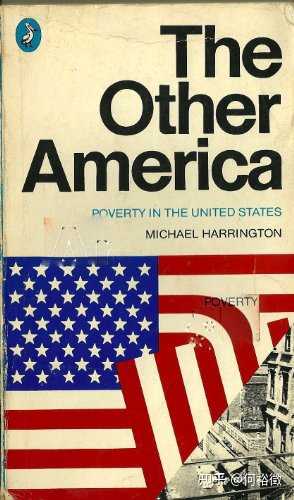
在书本开篇,哈灵顿就直接点明:
To be sure, the other America is not impoverished in the same sense as those poor nations where millions cling to hunger as a defense against starvation. This country has escaped such extremes. That does not change the fact that tens of millions of Americans are, at this very moment, maimed in body and spirit, existing at levels beneath those necessary for human decency. If these people are not starving, they are hungry—and sometimes fat with hunger, for that is what cheap foods do. They are without adequate housing, education, and medical care.
诚然,“另一个美国”并不像那些贫穷国家那样陷入极端贫困,在那里,数以百万计的人只能靠饥饿来抵御死亡。美国确实避免了那种程度的灾难。但这并不能改变这样一个事实:就在此时此刻,仍有数以千万计的美国人,在身体与精神上遭到摧残,生活在低于人类基本尊严所需的水平之下。即便他们没有在字面意义上挨饿,他们依然处于饥饿状态——甚至有时是“因饥饿而肥胖”,因为廉价食品正是这样运作的。他们缺乏体面的住房、教育和医疗保障。
美国确实不存在亚非拉国家意义上的饥荒,或是衣不蔽体的极端贫困。他甚至很超前的点出了廉价食品能让穷人在饥饿中肥胖,这点完全符合当代美国城市流浪者的情况。
The millions who are poor in the United States tend to become increasingly invisible. Here is a great mass of people, yet it takes an effort of intellect and will even to see them. My response was not accidental. It was typical of what is happening to an entire society, and it reflects profound social changes in this nation.
在美国,数以百万计的贫穷者正变得越来越不可见。这里明明存在着一个庞大的人群,然而即便要“看见”他们,也需要付出智识和意志上的努力。我的反应并非偶然,而是整个社会正在发生之事的典型体现,它反映了这个国家正在经历的深刻社会变化。
The other America—the America of poverty—is hidden today in a way that it never was before. Its millions are socially invisible to the rest of us. No wonder that so many misinterpreted Galbraith’s title and assumed that The Affluent Societymeant that everyone had a decent standard of life. The misinterpretation was true as far as the actual day-to-day lives of two-thirds of the nation were concerned. Thus, one must begin a description of the other America by understanding why we do not see it.
“另一个美国”——贫穷的美国——如今被隐藏起来,其程度前所未有。它的数百万民众在社会意义上对我们其余的人来说是不可见的。难怪那么多人误解了加尔布雷思的书名,以为《富裕社会》意味着每个人都拥有体面的生活水准。这种误解在某种意义上并非毫无根据——至少对全国三分之二人口的日常生活而言确实如此。因此,对“另一个美国”的描述,必须从理解我们为何看不见它开始。
Poverty is often off the beaten track. It always has been. The ordinary tourist never left the main highway, and today he rides interstate turnpikes. He does not go into the valleys of Pennsylvania where the towns look like movie sets of Wales in the thirties. He does not see the company houses in rows, the rutted roads—the poor always have bad roads, whether they live in cities, towns, or on farms—and everything is black and dirty. And even if he were to pass through such a place by accident, the tourist would not meet the unemployed men in the bar or the women coming home from a runaway sweatshop.
贫困往往偏离人们行走的主干道,一直如此。普通游客从不离开高速公路,如今更是只在州际高速上穿行。他不会走进宾夕法尼亚的山谷,那里的城镇看起来仿佛是三十年代威尔士的电影布景。他看不到成排的公司宿舍、坑洼不平的道路——穷人无论生活在城市、城镇还是农场,总是拥有糟糕的道路——一切都是黑的、脏的。即便游客偶然穿过这样的地方,他也不会遇见在酒吧里消磨时间的失业男子,或是从血汗工厂下班回家的女人。
Then, too, beauty and myths are perennial masks of poverty. The traveler comes to the Appalachians in the lovely season. He sees the hills, the streams, the foliage—but not the poor. Or perhaps he looks at a run-down mountain house and, remembering Rousseau rather than seeing with his eyes, decides that “those people” are truly fortunate to be living the way they are, lucky to be exempt from the strains and tensions of the middle class. The only problem is that “those people,” the quaint inhabitants of those hills, are undereducated, underprivileged, lack medical care, and are in the process of being forced from the land into a life in the cities, where they are misfits.
此外,美景与神话始终是贫困的永久面具。旅行者在最宜人的季节来到阿巴拉契亚山区,看见的是山峦、溪流与繁茂的植被——却看不见穷人。又或者,他看见一栋破败的山间房屋,脑海中浮现的是卢梭式的浪漫想象,而非真实的眼前景象,于是认定“那些人”生活得反而幸福,幸运地免于中产阶级的压力与紧张。唯一的问题在于,“那些人”——那些看似质朴的山地居民——教育不足、缺乏社会资源、得不到医疗照护,并且正被迫离开土地,进入城市生活,而在那里,他们成了不合群的人。
···
Now the American city has been transformed. The poor still inhabit the miserable housing in the central area, but they are increasingly isolated from contact with, or sight of, anybody else. Middle-class women coming in from suburbia on a rare trip may catch the merest glimpse of the other America on the way to an evening at the theater, but their children are segregated in suburban schools. The business or professional man may drive along the fringes of slums in a car or bus, but it is not an important experience to him. The failures, the unskilled, the disabled, the aged, and the minorities are right there, across the tracks, where they have always been. But hardly anyone else is.
如今,美国城市已经被彻底改造。穷人依旧居住在市中心那些破败不堪的住房里,但他们正日益与其他人隔绝——无论是在接触上,还是在视野中。那些偶尔从郊区进城的中产阶级女性,也许会在前往剧院度过一个夜晚的途中,匆匆瞥见“另一个美国”的一角;但她们的孩子却被隔离在郊区的学校体系之中。商人或专业人士也许会乘坐汽车或公交车,沿着贫民窟的边缘驶过,但这对他们而言并不是一种重要的经历。失败者、非熟练劳动者、残疾人、老年人以及少数族裔都在那里——在铁轨的另一边,正如他们一贯所在的地方。但几乎没有其他人会在那里。
在这里,哈灵顿点出了最关键的一点:之所以美国广大的中产阶级看不见“另一个美国”,对其中透露出来的残破景象感到瞠目结舌,那是因为物理意义上城市的郊区化形成了一种新的以阶级为核心的种族隔离,一种经济隔离。除非你愿意离开你生活的美好中产郊区幻想乡,不然你无法得知真正的贫困是怎么样的。
关于经济隔离是如何发生并且愈演愈烈的,我在这个回答里已经讲过了,在此不再赘述。如何看待斯奎奇大王(牢a)最新的直播“天堂地狱分割线”?
不过这里哈灵顿实际上还点明了一点,即另一个美国最根本的原因是不透明,使得绝大部分中产对美利坚穷人的想象只停留在19世纪末20世纪初芝加哥黑煤矿那种灰头土脸衣不蔽体的状态,停留在更早时候拖着残躯从饥荒的爱尔兰逃到美洲大陆的状态,等等等等。但实际上这恰恰是不对的,因为这些想象是中产在无知情况下根据他们之间的生活作出的最坏判断,是单纯通过衣着吃穿来评判“有没有贫困”,实际上这恰恰是支持企业主的经济学家们最能粉饰的一点。
比如在穿着方面,
Clothes make the poor invisible too. America has the best-dressed poverty the world has ever known. For a variety of reasons, the benefits of mass production have been spread much more evenly in this area than in many others. It is much easier in the United States to be decently dressed than it is to be decently housed, fed, or doctored. Even people with terribly depressed incomes can look prosperous.
衣着同样使贫穷变得不可见。美国拥有世界上穿得最体面的贫困。由于多种原因,大规模生产所带来的好处,在衣着这一领域的分配要比在许多其他方面均匀得多。在美国,穿得体面远比住得体面、吃得体面或获得体面的医疗要容易得多。即使收入极其低下的人,也完全可以看起来相当“富足”。
This is an extremely important factor in defining our emotional and existential ignorance of poverty. In Detroit, the existence of social classes became much more difficult to discern the day the companies put lockers in the plants. From that moment on, one did not see men in work clothes on the way to the factory, but citizens in slacks and white shirts. This process has been magnified with the poor throughout the country. There are tens of thousands of Americans in the big cities who are wearing shoes, perhaps even a stylishly cut suit or dress, and yet are hungry. It is not a matter of planning, though it almost seems as if the affluent society had given out costumes to the poor so that they would not offend the rest of society with the sight of rags.
这是造成我们在情感与生存层面上无法理解贫穷的一个极其重要的因素。在底特律,当企业开始在工厂里设置更衣柜的那一天起,社会阶级的存在就变得难以分辨了。从那一刻开始,人们在通往工厂的路上看到的,不再是穿着工装的工人,而是穿着长裤和白衬衫的“市民”。这种变化在全国范围内的贫困人口身上被进一步放大。在大城市中,有成千上万的美国人穿着鞋子,甚至可能穿着剪裁得体的西装或连衣裙,但他们却是饥饿的。这并非出于某种精心策划,尽管它几乎让人觉得,这个“富裕社会”仿佛给穷人发放了服装道具,好让他们不至于以破烂的外表,冒犯社会其余部分的视线。
比如在吃饭方面,
In the postwar period American agriculture continued to transform itself in the most basic way. As a result of mechanization, a vast exodus to the city took place. And yet, even given this agricultural revolution, this complete restructuring of farm life, the poor remained behind and, incredibly enough, by about the same proportion.
在战后时期,美国农业以最根本的方式持续发生转型。随着机械化的推进,大规模的人口向城市迁移。然而,尽管经历了这场农业革命、这种对农场生活的彻底重组,贫穷却依然留在原地——而且令人难以置信的是,其比例几乎没有发生变化。
The big corporate farms gained, of course. So did the urban consumers. As a result of the technological gains, Americans spend less of their income for food—an average of 20 per cent—than any other nation in the world. And the cost of food has risen less since 1949 than almost any other item in the cost-of-living index. Clearly, agriculture is one of the major successes of the affluent society.
当然,大型企业化农场获得了收益,城市消费者同样如此。由于技术进步,美国人用于食品的支出占收入的比例——平均约为 20%——低于世界上任何其他国家。自 1949 年以来,食品价格的上涨幅度也低于生活成本指数中几乎所有其他项目。显而易见,农业是“富裕社会”中最成功的领域之一。
···
And yet there is a curious advantage to having known poverty so deeply: one learns to survive. In Los Angeles a welfare worker remarks that Negroes live better on relief than the whites. The whites will spend a major portion of their budget on a roast, and then live on spaghetti, macaroni, or potatoes. The Negroes, as members of the hereditary poor, have a much more balanced diet of cheap food, even if it is fat back and greens. The result is that the whites are much more prone to the classic health problems of poverty (overweight, anemia, and cardiac) than the Negroes.
然而,深刻地经历过贫穷,也有一种奇特的“优势”:人会学会如何活下去。在洛杉矶,一位社会救助工作人员曾指出,黑人在领取救济时,反而比白人活得更好。白人往往会把预算中的大部分花在一块烤肉上,接下来只能靠意大利面、通心粉或土豆度日。而黑人,作为“世代贫穷者”的一部分,则更擅长用廉价食物维持一种相对均衡的饮食结构——哪怕只是咸肥肉配绿叶菜。结果是,白人反而更容易罹患贫困阶层的典型健康问题,如肥胖、贫血和心脏疾病,而黑人则较少出现这些问题。
你看,照其中一些说法,我们是不是还能说越贫困越健康?贫困越久饮食结构越耐造?光拿物质上的充足与否来论证贫困很容易就掉进这些挨饿否定者的陷阱里。就按你乎知名迪克西自由派学者C字一串字母引入的说法来讲,连新大陆的黑奴都能一年100斤肉,想必过了一百年后60年代美国的流浪汉一年吃上肉也不是很难的事情。
事实也确实如此:和黑奴的境遇类似,60年代以及今天的美利坚穷人不是吃不上「肉蛋奶制品」,甚至能吃出糖尿病来;但这恰恰是贫困导致的,因为他们每天吃的只有这些工业化预制菜垃圾食品,其什么营养均衡口味兼顾不生病就完全不用想了,吃饭的目的只是为了“活着”。
One statistic should illuminate this problem dramatically. These poor farm owners live in a society with an incredibly productive agricultural system. Yet, according to government figures, in the mid-fifties some 56 percent of low-income farm families were deficient in one or more basic nutrients in their diet. The rural poor who did not live on farming were even worse off: 70 percentsuffered from this deficiency. Thus, there is hunger in the midst of abundance.
有一个统计数字可以极其鲜明地揭示这一问题。这些贫穷的农场主生活在一个农业生产力极其发达的社会中。然而,根据政府的数据,在20世纪50年代中期,约56%的低收入农场家庭在饮食中缺乏一种或多种基本营养素。而那些并非从事农业的农村贫困人口状况更加糟糕:70%的人遭受着这种营养缺乏。因此,这是一个富足之中存在饥饿的社会。
我知道有的人想说“哪怕是吃新大陆丰富的垃圾食品也比吃旧大陆贫乏的碳水要好”。对于这种人,我的建议是你先自己试试看一天三餐只能吃最廉价的蛋糕、甜甜圈、巧克力棒、饼干、泡面、披萨,坚持吃一年,什么别的蔬菜和补剂都别吃,你再来跟我讲好在哪里。
顺带,既然提到了美国农村,我们不妨来看一下哈灵顿笔下的60年代美国东部自耕农社会,或许就能解释为什么今天美国人不存在“城里待不下去了还能回老家”这个选项。
But, the traveler may say, granted that there is a low level of income, isn't it still true that these folk have escaped the anxiety and the rigors of industrialism? Perhaps this myth once held a real truth. Now it is becoming more false every day. Increasingly, these are a beaten people, sunk in their poverty and deprived of hope. In this, they are like the slum dwellers of the city.
但是,旅行者也许会说:即便收入水平很低,难道这些人不也摆脱了工业化所带来的焦虑与严酷压力吗?或许这个神话曾经有过真实的成分,但如今,它正一天天变得更加虚假。越来越多的时候,这是一群被击垮的人,深陷贫困之中,被剥夺了希望。在这一点上,他们与城市贫民窟的居民并无二致。
During the decade of the fifties, 1,500,000 people left the Appalachians. They were the young, the more adventurous, those who sought a new life. As a result of their exile, they made colonies of poverty in the city. One newspaper in Cincinnati talked of “our 50,000 refugees.” Those who were left behind tended to be the older people, the less imaginative, the defeated. A whole area, in the words of a Maryland State study, became suffused with a “mood of apathy and despair.”
在二十世纪五十年代的十年间,有一百五十万人离开了阿巴拉契亚地区。他们是年轻人,是更富冒险精神的人,是那些寻求新生活的人。由于这种流离失所,他们在城市中形成了一片片贫困的“殖民地”。辛辛那提的一家报纸曾称之为“我们的一万五千名难民”。而留在原地的人,往往是年长者、缺乏想象力者、已经被击败的人。正如马里兰州一项研究所描述的那样,整个地区弥漫着一种“冷漠与绝望的情绪”。
This, for example, is how one reporter saw the independent yeomanry, the family farmers, and the laid-off industrial workers in the Appalachians: “Whole counties are precariously held together by a flour-and-dried-milk paste of surplus foods. The school lunch program provides many children with their only decent meals. Relief has become a way of life for a once proud and aggressively independent mountain people. The men who are no longer needed in the mines and the farmers who cannot compete with the mechanized agriculture of the Midwest have themselves become surplus commodities in the mountains.”
举例来说,一名记者这样描述阿巴拉契亚地区那些曾经独立自足的自耕农、家庭农场主以及被裁撤的产业工人:“整整一个个县,都是靠面粉与脱脂奶粉混合成的糊状剩余食品勉强维系着。学校的午餐项目,为许多孩子提供了他们唯一一顿像样的饭。救济已经成为一种生活方式,而这曾是一群骄傲而高度自立的山地居民。那些在矿山中不再被需要的男人,以及无法与中西部机械化农业竞争的农民,已经在山地中沦为多余的‘剩余商品’。”
Perhaps the most dramatic statistical statement of the plight of these men and women occurred in a study produced in Kentucky: that, as the sixties begin, 85 per cent of the youth in this area would have to leave or else accept a life of grinding poverty. And a place without the young is a place without hope, without future.
或许,对这些男男女女处境最为震撼的统计陈述,出现在肯塔基州的一项研究中:在六十年代开始之际,该地区 85% 的青年要么被迫离开家乡,要么只能接受一种被碾碎般的贫困生活。而一个没有年轻人的地方,就是一个没有希望、没有未来的地方。
150万人级别的人口外逃,要知道1960年的美国总共也就1.7亿左右人口,整个阿巴拉契亚山区加起来更是只有将将不到千万人口,85%的青年全部从农村外逃意味着什么。
农友呢?农友怎么不来救一下?
One of the main groups in the rural culture of poverty has a peculiar characteristic: It is composed of the property-owning poor. During the last three decades, mechanization has re-created the American countryside. According to the United States Department of Agriculture, the average investment per farm increased some six times between 1940 and 1959. The amount of working hours spent on food production has been in almost steady decline since the end of World War I (and right after World War II the average dropped by 700,000,000 man hours a year). As a result, there has been a decline of almost 2,000,000 units in the number of farms since 1930.
农村贫困文化中的一个主要群体具有一种特殊的特征:他们是拥有财产的穷人。在过去三十年中,机械化重新塑造了美国的乡村。根据美国农业部的数据,1940 年到 1959 年之间,每个农场的平均投资额增加了大约六倍。自第一次世界大战结束以来,用于粮食生产的劳动时间几乎持续下降(而在第二次世界大战之后,这一平均值每年骤降了 7 亿工时)。其结果是,自 1930 年以来,农场数量减少了将近 200 万个单位。
At the top of agricultural society are the minority of corporation farms and big farm owners. For them, the technological revolution has meant enormous profit and fantastic feats of production. In 1954, the year of the last comprehensive farm census, some 12 per cent of the operators controlled more than 40 per cent of the land and grossed almost 60 per cent of the farm sales. These were the dramatic beneficiaries of the advance in the fields.
在农业社会的顶端,是数量不多的公司化农场和大型农场主。对他们而言,技术革命意味着巨额利润和惊人的生产能力。1954 年——最近一次全面农业普查的年份——大约 12% 的经营者控制了超过 40% 的土地,并获得了将近 60% 的农业销售总额。他们是田野中进步最显著、最直接的受益者。
At the bottom of American farming, there are over a million farms. They constitute 40 per cent of all the commercial farms in the United States, yet they account for only 7 per cent of the sales. Their plight is similar to that of the slum dweller who lacks education: as the big units become more efficient and modern, as invention mounts, the poor fall further behind.
而在美国农业的底层,则有超过一百万个农场。它们占全国商业农场总数的 40%,却只贡献了 7% 的销售额。他们的处境,类似于缺乏教育的城市贫民窟居民:随着大型单位变得更加高效和现代化,随着技术发明不断累积,贫困者反而被越甩越远。
So it is that this progress resembles nothing more than a treadmill when it is viewed from the rural culture of poverty. For example, in 1954 a farmer had to double his 1944 production in order to maintain the same purchasing power. This was easy enough, or more than easy, for the huge operators with factory-like farms. It was an insuperable task for the small independent owners. Even though tens of thousands of them were driven off the land and into the cities, their proportion within agricultural society remained the same.
因此,当从农村贫困文化的视角来看,这种所谓的“进步”无异于一台跑步机。举例来说,在 1954 年,一个农民必须将其 1944 年的产量翻一番,才能维持同样的购买力。对于拥有工厂式农场的大型经营者而言,这不仅不难,甚至轻而易举;但对小型独立农场主来说,这却是一项无法完成的任务。尽管成千上万的人被迫离开土地、迁入城市,他们在农业社会中的比例却几乎没有发生变化。
集约化大农场的高效低成本大产出挤兑小自耕农的生存空间,让小农场主要么破产等死要么选择抛弃农场进城打工,加入到同时期轰轰烈烈的工业自动化生产中——我去,这不是我们极权主义剪刀差的梗吗,怎么美国也有,记得标明出处。
事实上,60年代仍在进行、一直到70年代初截止的美国农业集约化让大部分东部最古老的那些小农场主实质上彻底消亡,剩下的要么不得不把农场外包给农业公司,要么就“光荣转业”到城市生活,加入附近城镇的服务业、工业、运输业等部门,仅在一年中的部分农忙时间回到农场重新当回农民。2025年最新的统计指出,美国目前仍然剩下188万左右的家庭农场[1],其计算标准为【一年内】只要任意形式产出1000美金就算是有效农场。这个幽默标准放国内大概就是一年内一户农民只要能卖个几千块(大概3吨这样)的水稻,只要能形成有效而稳定的市场化销售途径而非完全给自己吃,哪怕在贵州梯田的几块地上,那也能算是有效农场。虽然说不少人诟病你国全职农民生存压力大收入不高,但是真要按这个标准算恐怕不少农民工家庭在美国标准看来也是“有效农民”了。所以从这个角度来看,实际上美国到70年代截止的农业机械化已然创造了超大量的美式“农民工”进城,只不过呢由于统计标准的差异还有包括自由迁徙不存在户籍限制,从统计端来看他们似乎是都“奔向了光明美好的城市生活”了;至于怎么个光明法,以及在市场的大手下成了城市居民是不是脱贫了还是仅仅“赚的比农村多了”,那就不得而知了。
至于为什么我们现在看到的所谓“美好富足的美国农村”话语权都在中西部大平原集约化农场公司这种形象的农场主手里?答案就是连带着生产力上的挤兑,阿巴拉契亚山区的家庭农场的话语权也被这些最顶级的富农协会给垄断了,那么自然外人看来美国农村就不存在挣扎的小农了。
In agriculture the dominant voice was that of the Farm Bureau, the representative of the wealthiest, most conservative stratum of the farmers. The Bureau came out against depressed-areas legislation. The Republicans, so often associated with rural America in voting studies, are also based on the middle and upper levels of the farm economy. The bill proposed by Senator Everett Dirksen as a substitute for Senator Paul Douglas' legislation did not even include authorization for loans to rural areas.
在农业领域,占据主导地位的声音来自农场主协会(Farm Bureau)——它代表的是农民中最富有、最保守的阶层。该协会明确反对针对萧条地区的立法。在选举研究中常被视为“乡村美国代言人”的共和党,其社会基础同样主要来自农业经济中的中上层群体。作为对保罗·道格拉斯参议员法案的替代方案,埃弗里特·德克森参议员提出的那项法案,甚至连向农村地区提供贷款的授权条款都没有包含在内。
说回到“斩杀线”的问题:
实际上我们可以看出,哈灵顿整本书读下来很明显他是否定所谓“斩杀线”叙事的,或者说,是否定一种很中产的、粗浅的、觉得“只有露宿街头找不到工作人生没有希望了才是被斩杀了”这种所谓的“斩杀线”叙事的。因为哪怕看到这里我们也能很明确看出,就算美国60年代农业机械化让大量小农家庭不得不进城打工,就算城市开价几乎完全无法生存的工资,也不存在统计意义上的“社会上绝大部分青壮年穷人饿死冻死在街头”。因为他们确实不会饿死,但是也永远无法达到“饱腹”的情况,这才是长期贫困的真正杀伤力所在。
换句话说,真正可怕的不是存在一条一变穷就把你砍死的“斩杀线”,而是美国社会能够在让你看得见“斩杀线”的同时让你持续性地活在统计学上的绝对贫困之上,用工业食品和高糖分让你活在饥荒之外,让你吊着不死,让你持续在无穷无尽的低廉工资间出卖自己的劳动力,这才是远比“斩杀线”更恐怖的存在。
哈灵顿在书中对黑人无法上升及“新贫民窟”社区的论述尤其能体现这点。
What is involved in these figures is a factor that sharply distinguishes racial minorities from the old immigrant groups. When the Irish, the Jews, or the Italians produced a doctor, it was possible for him to begin to develop a practice that would bring him into the great society. There was prejudice, but he was increasingly judged on his skill. As time went on, the professionals from the immigrant groups adapted themselves to the language and dress of the rest of America. They ceased to be visible, and there was a wide scope for their talents.
这些数字所揭示的,涉及一个将种族少数群体与旧式移民群体鲜明区分开来的关键因素。当爱尔兰人、犹太人或意大利人培养出一位医生时,他是有可能逐步建立起自己的执业生涯,并由此进入“主流社会”的。确实存在偏见,但他越来越多地是根据其专业能力来被评价。随着时间推移,这些移民群体中的专业人士在语言、穿着等方面逐渐适应了美国社会的主流规范。他们不再显眼,其才能也拥有了广阔的发展空间。
This is not true of the Negro. The doctor or the lawyer will find it extremely difficult to set up practice in a white neighborhood. By far and large, they will be confined to the ghetto, and since their fellow Negroes are poor they will not receive so much money as their white colleagues. The Negro academic often finds himself trapped in a segregated educational system in which Negro colleges are short on salaries, equipment, libraries, and so on. Their very professional advancement is truncated because of it.
但黑人并非如此。黑人医生或律师会发现,在白人社区中建立执业几乎是不可能的。总体而言,他们被限制在贫民区之中;而由于其服务对象主要是贫困的黑人群体,他们的收入也远远低于白人同行。黑人学者也常常被困在一个种族隔离的教育体系之中:黑人大学薪资低、设备匮乏、图书馆资源不足等等。正因如此,他们的职业发展从根本上被人为截断。
···
Income is one index of the slum dweller; health is another. According to the New York City Health Department, there was a direct correlation in 1959 between slums and infant mortality rates. In the “worst district” that the Health Department found, central Harlem, the infant mortality rate was three times that of the best district and had increased by more than 5 per cent since 1958. The incomes are low; the housing is dilapidated; the health is bad. But now, it is important to trace the factors that intensify the pessimism and hopelessness that differentiate the new form of the slum from the old ethnic neighborhoods.
收入是衡量贫民窟居民状况的一个指标;健康状况则是另一个。根据纽约市卫生局的数据,1959 年贫民窟与婴儿死亡率之间存在直接相关关系。在卫生局认定的“最糟糕地区”——哈莱姆中区,婴儿死亡率是最佳地区的三倍,并且自 1958 年以来上升了 5% 以上。收入低下,住房破败,健康状况恶劣。但现在,更重要的是追溯那些加剧悲观与绝望情绪的因素——正是这些因素,使得当代贫民窟与旧式族裔社区产生了根本区别。
There is a wall around these slums that did not exist before: the suburbs. The President’s Civil Rights Commission in 1959 reported that suburban zoning laws keep out low-income housing and force the poor to remain in the decaying central area of the cities. The very development of the metropolitan areas thus has the tendency to lock the door on the poor. This becomes even more of a factor when one realizes how important color is in the new form of the old slums. There has never been a disability in American society to equal racial prejudice. It is the most effective single instrument for keeping people down that has ever been found.
在这些贫民窟周围,出现了一堵过去并不存在的“墙”:郊区。总统民权委员会在 1959 年报告指出,郊区的分区规划法律排斥低收入住房,迫使穷人滞留在城市中日益衰败的核心地带。大都市区的发展本身,因而具有将穷人拒之门外的倾向。当人们意识到肤色在新式贫民窟中所起的关键作用时,这一问题就变得更加严重了。在美国社会中,从未有过任何一种劣势能与种族偏见相提并论。它是迄今为止发现的、压制人群最有效的单一工具。
In this context, the decline of aspiration is partly a function of a sophisticated analysis of society: there is less opportunity than there was in the days of the huge ethnic slums. The people understand this even if they do not articulate it precisely.
在这样的背景下,志向的衰退部分源于一种对社会的“成熟理解”:现实中的机会,已经不如大型族裔贫民窟时代那么多了。人们即便无法清楚地表达这一点,也已经在心里明白。
Then, the ethnic slum usually centered upon a stable family life. The pattern of the slums of the sixties is “serial monogamy,” where a woman lives with one man for a considerable period of time, bears his children, and then moves on to another man. In a National Educational Association study, Walter B. Miller estimated that between a quarter and a half of the urban families in the United States are “female-based.” This holds most strongly in these slums.
过去的族裔贫民窟通常以稳定的家庭生活为中心。而六十年代贫民窟的典型模式则是“连续一夫一伴制”:一名女性与一名男性共同生活相当长一段时间,为其生育子女,然后再转向另一名男性。国家教育协会的一项研究中,沃尔特·B·米勒估计,美国城市家庭中有四分之一到一半是“以女性为核心”的家庭结构,这一情况在贫民窟中尤为突出。
For that matter, Miller and his colleague, William C. Kavaraceus, speak of a lower-class culture in the United States that embraces between 40 per cent and 60 per cent of the people. Not all of them are poor; not all of them are slum dwellers. But they share a common alienation from the middle-class norms of the society.
进一步说,米勒及其同事威廉·C·卡瓦拉修斯认为,美国存在一种涵盖 40% 到 60% 人口的“下层阶级文化”。这些人并非全部贫困,也并非全部居住在贫民窟,但他们共同分享着一种对中产阶级社会规范的疏离感。
To be sure, the older ethnic slums produced their share of violence and gangsterism. Yet their family patterns, their value systems, their very access to the outside world provided a strong counterforce to the degradation of environment. In the new form of the slum, these checks are not so strong, and the culture of poverty becomes all the more powerful for that fact.
诚然,旧式族裔贫民窟也曾滋生暴力与黑帮行为。然而,它们的家庭结构、价值体系,以及与外部世界的联系,构成了对环境堕落的强大制衡力量。在新的贫民窟形态中,这些制衡机制已经大为削弱,贫困文化因此变得愈发强大。
越生而贫困越无法脱离困境,越无法脱离困境越生而贫困。中产阶级不少人完全无法理解这一点,因为对他们来说确实是很大程度上“努力了就有收获的”,“你穷是不是主要是不努力”。因此,50年前的美国中产对什么卖血这种事情感到非常匪夷所思,50年后的中国中产章某人也对这种事情感到非常匪夷所思。他们看起来各种针砭时弊找理由大讨论,说什么官僚主义的漏洞,什么前现代的传统,云云,到头来无非就是两个路径:在他们的眼里,一个人要么精神上已经彻底崩溃了,比如说各种吸毒泛滥不思进取的,那么自然只能为了成瘾品“为了再喝一杯去卖血”;但事实上卖血就像什么成为大学实验对象,去仓库搬运日结一样,完全是一种对于这些底层劳动者而言近乎于麻木的求生本能。但是,这对中产的世界来说完全是晴天霹雳了:“你都没到饿死,为什么要用卖血这种这么伤害自己的手段去赚钱”,这对他们来说是一种“愚蠢的不理性的选择”。在他们的词典里,他们不觉得这是一个吃人的社会,毕竟确实短期内暂时没有吃到他们头上去;于是,当他们感到逻辑混乱了,就只能反过来找别的例子来说明,“实际上这是市场经济下的常态”,“卖血也不是一个国家的毛病嘛”,由此来减少对自己的冲击感,来说服自己。
那我就要反过来问你了,他很普遍,难道这件事就很正常吗?
相对贫困在这个世界上依旧普遍,难道这件事就应该是被认为“正常”的吗?
不少像章某人这种自诩“进步”的中产实际上恰恰是潜意识里最不承认贫困就是社会建构而的,这里的贫困包括因为失业导致的贫困,也包括精神上的崩溃和酒精/药物上的麻痹。没有什么人是生来就自暴自弃的,很多底层劳动者每天过着比中产要辛苦一万倍的生活,你自己换到那种生活环境里去看看到底是你“自甘堕落”还是酒精是唯一的慰藉。
Physical and mental disabilities are, to be sure, an important part of poverty in America. The poor are sick in body and in spirit. But this is not an isolated fact about them, an individual “case,” a stroke of bad luck. Disease, alcoholism, low IQs—these express a whole way of life. They are, in the main, the effects of an environment, not the biographies of unlucky individuals. Because of this, the new poverty is something that cannot be dealt with by first aid. If there is to be a lasting assault on the shame of the other America, it must seek to root out of this society an entire environment, and not just the relief of individuals.
毫无疑问,身体与精神上的残疾是美国贫困的重要组成部分。贫穷的人在身体和精神上都是病态的。但这并不是关于他们的某个孤立事实,不是某一个“个案”,也不是单纯的运气不佳。疾病、酗酒、低智商——这些并非个人传记中的偶然事件,而是体现了一整套生活方式。它们在根本上是环境造成的结果,而不是某些不幸个体的私人悲剧。正因为如此,新的贫困问题不可能通过“急救式”的办法来解决。如果要对“另一个美国”的羞辱发动一场持久的进攻,那么必须从这个社会中连根拔除一种整体性的环境,而不仅仅是对个别人的救济。
他们从来意识不到,哪怕他们现在所拥有的学识,所能够上网接触到的信息,所拥有的判断力和阅历,这些东西对所有人来说并非“与生俱来的”。所有人的起跑线并非一致的,在全世界任何执行市场经济的地方,穷人的起跑线就是要比中产、比富人低很多,哪怕在21世纪的美国!你的理性、你的分析、你的明辨是非、你的赚钱能力都来源于你的教育,而你的教育来源于你中产阶级的社会地位。从小学就开始的优良教育是要钱的,更何况在美国要的钱还不是一般的多。经济上看,穷人和好教育之间的鸿沟远比你和迈巴赫之间的距离要远的多——你只需要贷款具体的数额就能买到迈巴赫了,但是穷人要买到一样的教育,买到一样的起跑线,要付出远超你想象的代价!
当你失业了,你会考虑写小说赚稿费,做自媒体,以及挖空心思各种条款读完之后抠出来领救济金,那么完全不懂这些的底层劳动者呢?一个人不能天天只看得到官僚的特权,富豪的特权,看不到中产阶级自己也有特权,并对批评这种特权感到很冒犯,那这样的人我们会把他称为是一种市侩的利己主义者。
最后的最后,用哈灵顿的话再次强调一遍对于美国底层劳动者困境应该的态度:
What shall we tell the American poor, once we have seen them? Shall we say to them that they are better off than the Indian poor, the Italian poor, the Russian poor? That is one answer, but it is heartless. I should put it another way. I want to tell every well-fed and optimistic American that it is intolerable that so many millions should be maimed in body and in spirit when it is not necessary that they should be. My standard of comparison is not how much worse things used to be. It is how much better they could be if only we were stirred.
“当我们真正看见美国的穷人之后,我们该对他们说些什么?难道要告诉他们,说他们的处境比印度的穷人、意大利的穷人、俄罗斯的穷人要好一些吗?这当然也是一种回答,但它是冷酷无情的,我宁愿换一种说法。我想对每一个吃得饱、对生活充满乐观情绪的美国人说:当有如此之多的千万人口在身体和精神上被摧残,而这一切本可以避免时,这是不可容忍的。我的比较标准并不是过去的情况有多糟。我的比较标准是——如果我们真的被触动了、被激发了,现实本可以变得多么美好。”
如果你不是只因为觉得“咱妈不能赢”而出言反驳,如果你不是一个“选择性进步主义者”,“市场进步主义者”,那么你就该在当下任何事实存在的困境面前不要回避找借口,而是承认这就是普遍系统性的问题,以及尽可能去理解它。否则,你反再多的赢学无非是只反对不利于你赢的赢学;你进的再多的步,无非是“进保守的步”,或者“进中产的步”罢了,只能停留在咖啡馆、文化沙龙和装点精致的个人名片上,实际上毫无意义,庸俗的很。